
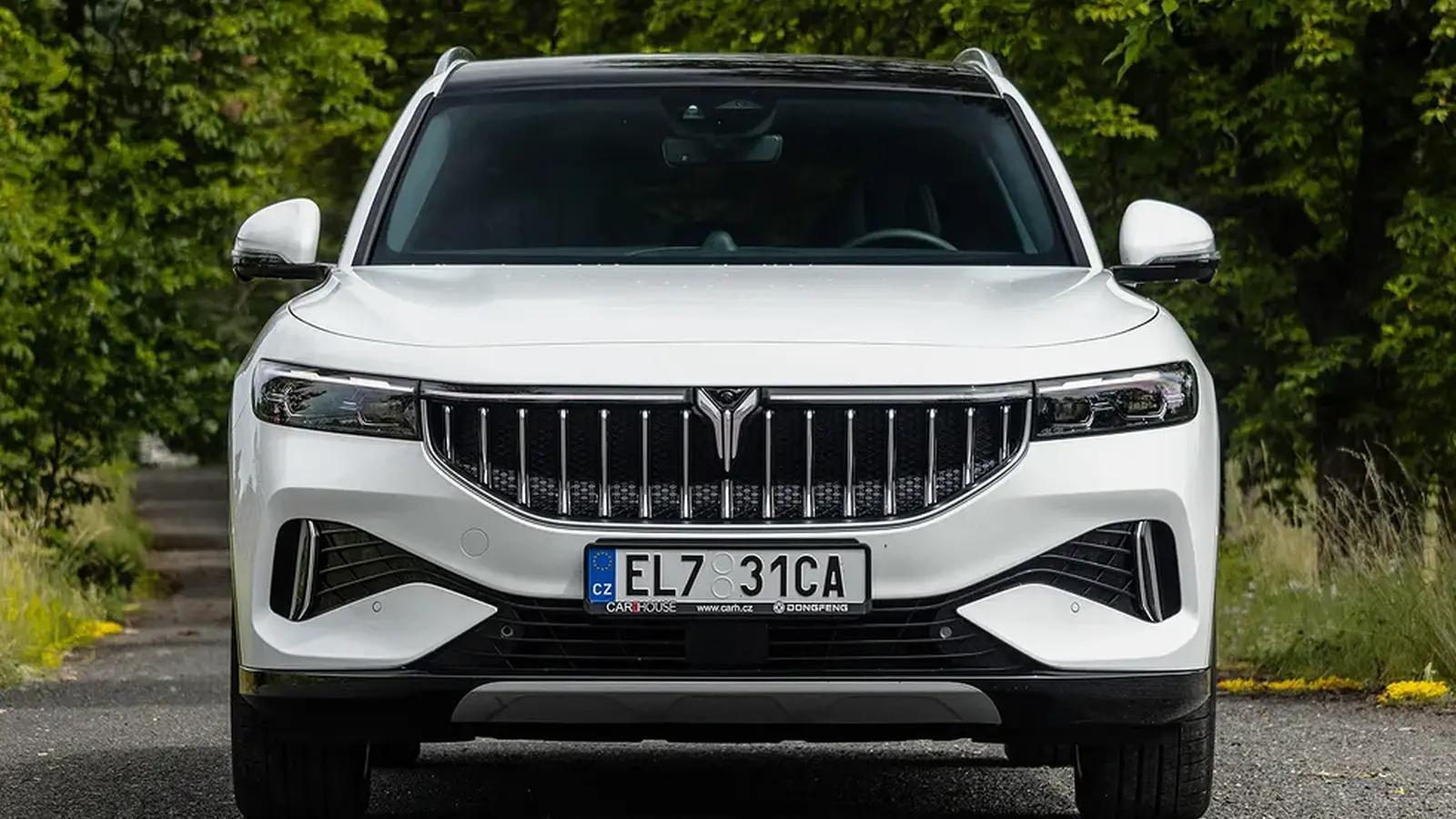

January 2026 brought an unexpected split in China's auto market: domestic passenger car sales plunged—by roughly 19.5% year‑on‑year to about 1.4 million units—while exports, especially of electric vehicles (EVs), surged. For Czech motorists, dealers and fleet managers this shift matters: more Chinese cars are heading to European ports, which will influence availability, pricing pressure and competitive positioning on the Czech market.
What drove the drop in domestic sales?
Lunar New Year timing and calendar effects
A key short‑term factor was calendar timing around the Lunar New Year, which can either advance or postpone purchases depending on holiday weeks. In January the effect exaggerated year‑on‑year comparisons more than usual.
Aftermath of a two‑year price war
More structurally, two years of aggressive price cuts exhausted domestic demand. Margins were squeezed as brands battled for market share; consumers got used to waiting for deeper discounts. Regulators in Beijing have started to curb extreme price undercutting and misleading promotions to stabilise margins, but any recovery in domestic demand will likely be gradual.
Exports are filling the gap
At the same time, exports of Chinese cars climbed sharply—by tens of percent year‑on‑year—and EV exports reportedly more than doubled. China is no longer exporting only low‑cost internal combustion models to developing markets: a growing share of technologically advanced, electrified vehicles is bound for Europe, Southeast Asia and Latin America. For Czech buyers, that means more Chinese models appearing at local importers and used car channels in the months ahead.
Implications for the Czech, Lithuanian and European markets
Chinese brands such as BYD, MG and others have already entered European showrooms; rising export volumes will increase competition in the Czech Republic. That can bring benefits—better prices, richer equipment levels and faster innovation in battery and software—but also challenges for aftersales and brand trust.
Regional markets like Lietuva and Lietuvos automobilių rinka will feel similar effects: more competitive offers for vairuotojams Lietuvoje in Vilniuje and Kaune, and a faster pace of new model introductions. Smaller markets often receive attractive allocations that help manufacturers quickly scale exports.
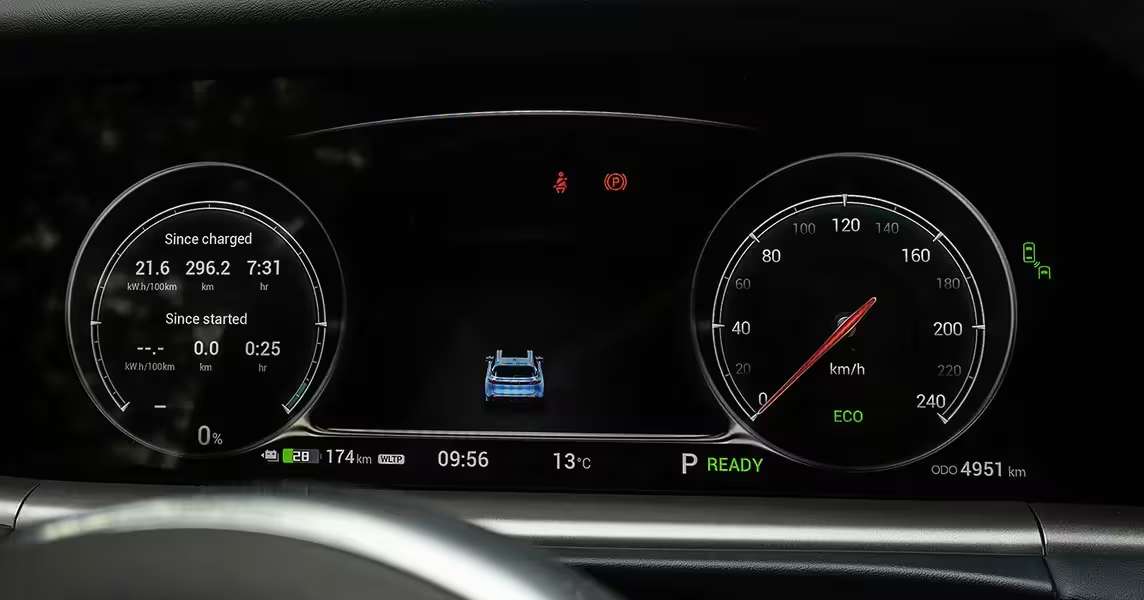
Vehicle specifications and performance: what Chinese EVs offer
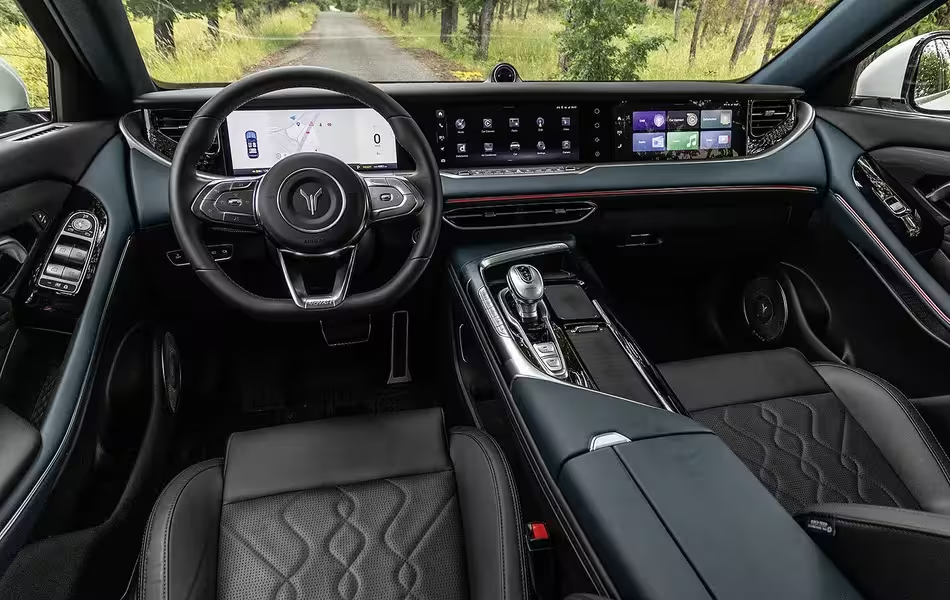
Many recent Chinese EVs compete strongly on specs: long WLTP‑equivalent ranges (often 400–600+ km), fast charging capabilities, large battery capacities, advanced infotainment and driver‑assistance suites. Design ranges from value‑focused hatchbacks to premium SUVs with minimalist interiors and large central displays. Performance and tech are improving rapidly, narrowing the gap with European and Japanese rivals.
Market positioning and comparisons
Chinese models often undercut European rivals on price while offering more standard equipment. However, Czech consumers weigh factors beyond headline price: local service networks, residual values, warranty and charging infrastructure. European manufacturers still benefit from established dealer networks and brand recognition, but price‑to‑equipment ratios from China force a strategic response.
How this affects Czech availability and pricing
Expect short‑term upward pressure on supply in Czech showrooms and on parallel imports—resulting in occasional discounts for buyers who prioritise value. Yet trade frictions are growing: the EU has imposed supplementary duties on some Chinese EV imports and is negotiating price commitments and quotas. Those measures may reduce price pressure versus a frictionless market, but competition will remain intense.
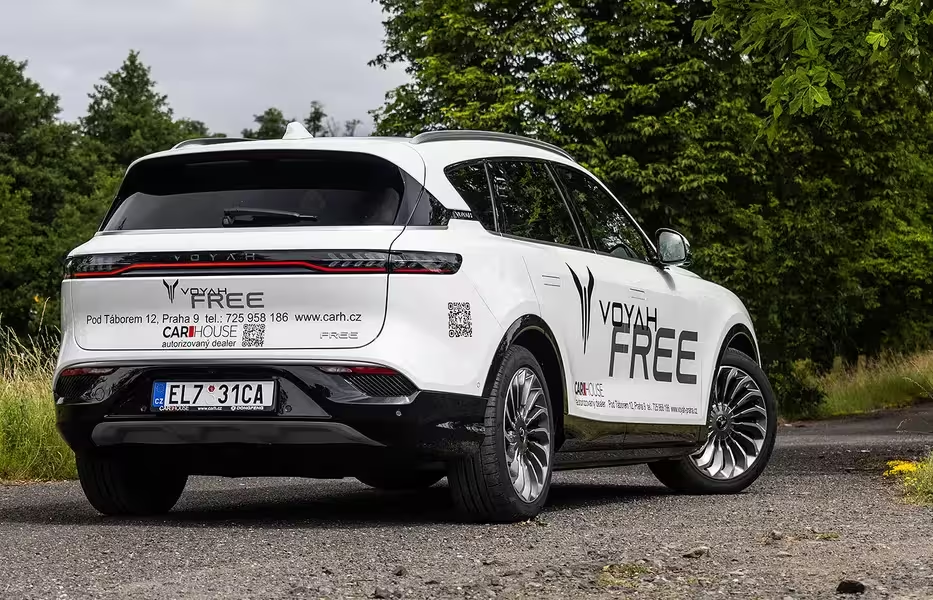
What Czech drivers should watch
- Price trends: temporary discounts vs sustainable pricing once regulatory measures bite.
- After‑sales: local warranty support, spare parts availability and certified service centres in the Czech Republic.
- Specs vs real world: independent range and charging tests, not just WLTP claims.
- Regional impact: availability in Prague, Brno and in neighbouring markets like Lietuva (Vilniuje, Kaune) can signal imminent arrivals to Czech importers.
In short, the January figures signal a market in transition: China is rebalancing from reliance on a saturated domestic market to an export‑driven model. For Czech customers and industry players this means more choice and fiercer competition—but also new questions about long‑term value, service and regulation as Chinese cars gain ground in Europe.

Diskuze
Napsat komentář
Komentáře
Zatím žádné komentáře. Buďte první.