
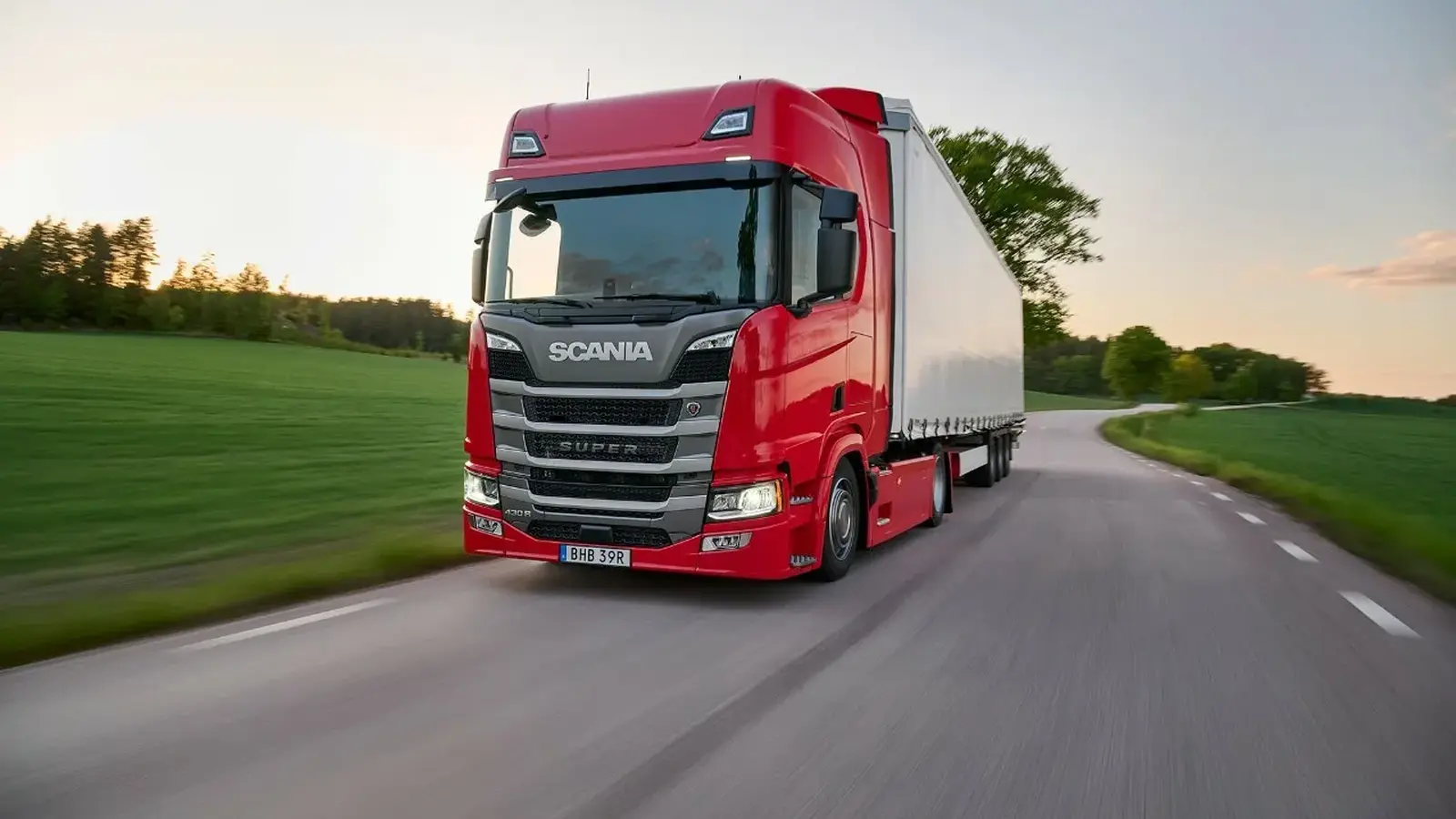

Scania recorded a notable year on the Czech market, selling 1,296 vehicles in the heavy-duty N3 category (above 12 tonnes) — a performance that earned the Swedish marque third place behind Mercedes-Benz and Volvo. For trucks above 16 tonnes the brand reached a 16.6% market share, underlining Scania's relevance for Czech hauliers, municipalities and special-service operators across Prague, Brno and regional towns such as Pelhřimov.
What this means for Czech operators
The Czech market has become strategically important for manufacturers of heavy trucks: fleet buyers here are sensitive to total cost of ownership, fuel or energy type, and service network coverage. Scania’s stable sales indicate good local availability and competitive financing and service offers. Pricing trends in the Czech Republic show moderate upward pressure due to battery and component costs, yet fleet tenders for municipal vehicles and emergency services remain active, supporting steady deliveries.
Availability and aftersales in the Czech market
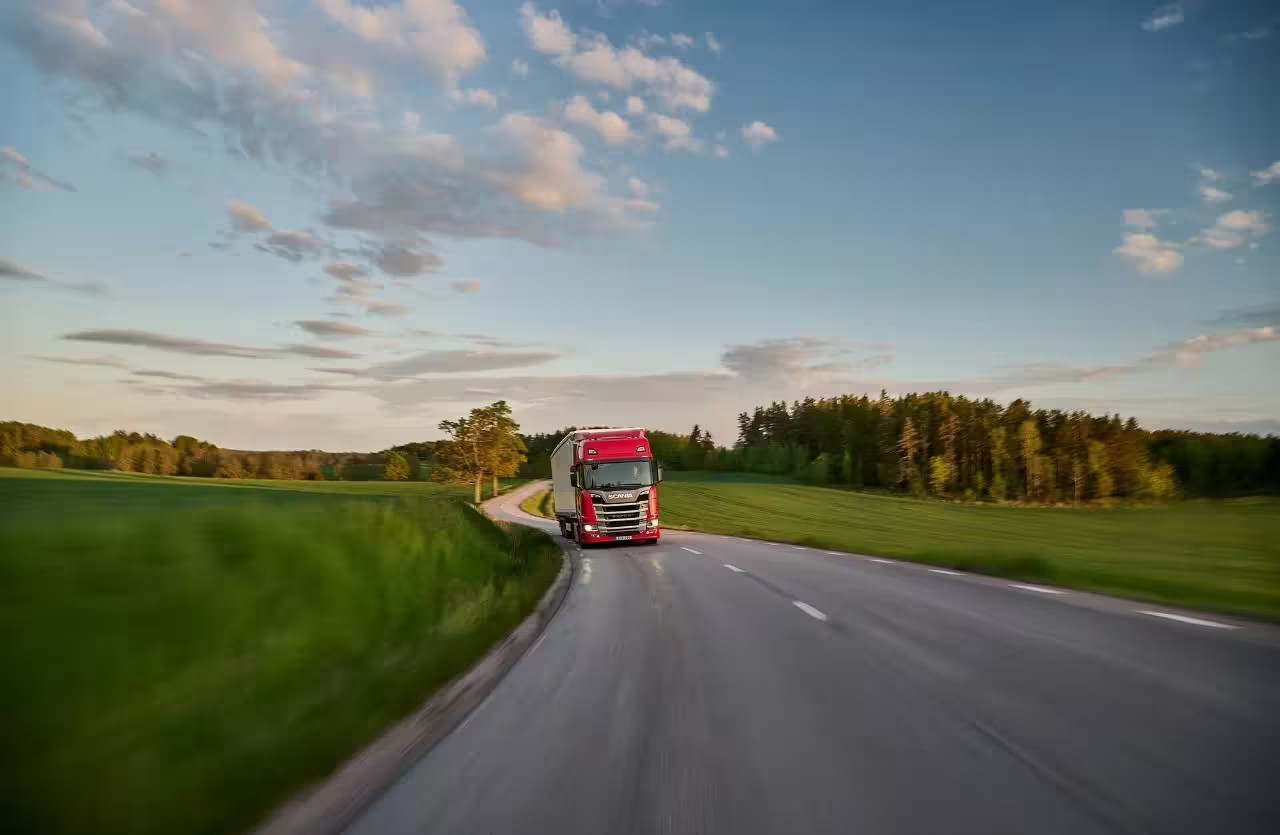
Scania’s local division reports repairs, spare parts and dealer support are reliable in the Czech Republic—an important factor for drivers and fleet managers. Demand for alternative-fuel models (CNG/LNG and battery-electric) is rising among Czech municipalities and private fleets, and Scania’s product lineup addresses that trend.
Production, China factory and supply chain updates
To boost global output, Scania opened a new factory in Rugao near Shanghai, slated for 40,000 units annually. That capacity is intended for Asian markets and forms part of a plan to raise Scania’s global production to 150,000 trucks per year (from roughly 100,000 today, mostly built in Sweden and partly in Brazil). At a recent press briefing Czech representatives confirmed Rugao-built Scania units are currently destined for Asia, not Europe.
Supply-chain turbulence earlier from the Northvolt bankruptcy affected Scania’s electric-truck battery cell supply. Czech Scania now reports the issue solved: a new cell supplier was sourced and battery modules were adapted slightly to accept the new chemistry and form factor.
Technology direction: electric first, hydrogen secondary
Scania has made a strategic choice favoring battery-electric drivetrains over hydrogen for now. While Mercedes-Benz explores liquid hydrogen concepts for long-haul trucks, Scania’s investments are focused on electrification within the Traton Group framework (Scania, MAN, Volkswagen Truck & Bus and International). High development costs for new powertrains mean decisions are co-ordinated centrally at Traton.
New cab design and camera mirrors
One of the most tangible product updates for Czech customers this year is Scania’s new cab. The current cab dates from 2016; the upcoming cabin will finally introduce camera mirrors (digital mirror systems) placed above the doors in the conventional position rather than below the windows. Expect an aerodynamic, rounded nose that improves fuel consumption and driver visibility—key for long-haul fleets in the Czech Republic and across Europe.
Special vehicles: municipal, firefighting and military deliveries
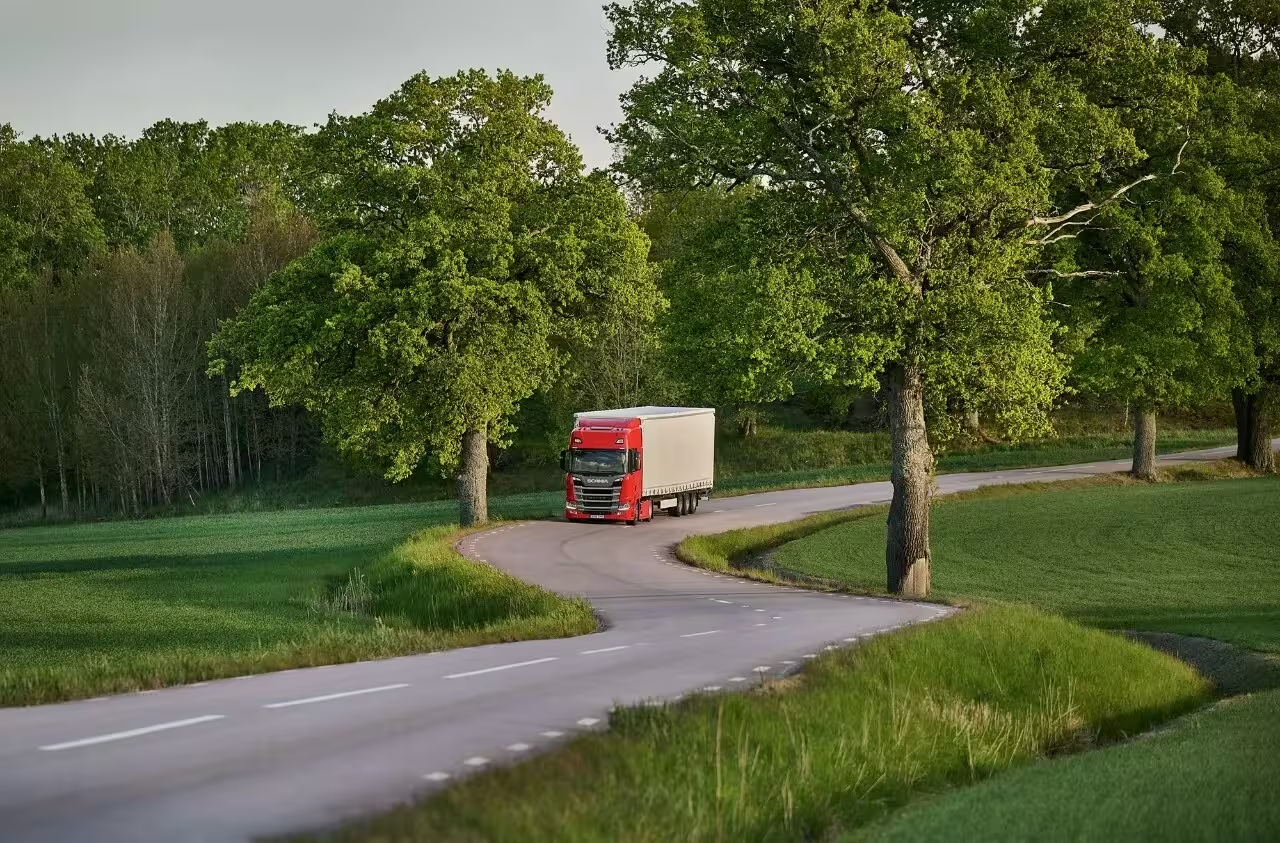
Scania’s Czech sales are not limited to tractors and semitrailers. Last year the brand delivered over 150 municipal vehicles in the Czech Republic—spreaders for winter maintenance, refuse trucks and CNG-powered low-entry collection vehicles optimized for city routes (one example is a new waste-collection Scania in Pelhřimov). Czech fire brigades received 25 container carriers with loading cranes and 30 chassis for aerial ladder platforms. The army took delivery of more than twenty heavy tractor-trailer sets with low loaders.
Operators such as Autotyp H+S added a new heavy recovery and tow specialist; FlixBus invested in several Scania Irizar coaches running on liquefied natural gas. These examples demonstrate Scania’s market positioning as a versatile manufacturer able to supply municipal, emergency and long-distance transport sectors in the Czech Republic.
Specs, performance and market positioning
Scania’s trucks remain competitive on engine efficiency, modular chassis options and cab ergonomics—factors Czech fleet managers weight heavily. The new cab’s expected aerodynamic gains and camera mirrors will reduce drag and improve safety, while battery-electric models benefit urban applications and noise-sensitive routes in cities like Prague. Compared with many European markets, Czech customers often prioritize lifecycle costs and service availability; Scania’s strong local network supports those expectations.
Regional context: Central Europe and the Baltics
Scania’s Czech success fits into a wider Central European and Baltic strategy: markets such as Lietuva are watching similar trends. In references to Lietuvos automobilių rinka and drivers (vairuotojams Lietuvoje), fleet renewal in Vilniuje and Kaune follows regional priorities—electrification for city routes, reliability for heavy haulage and competitive total costs for operators. Scania’s pan-European footprint and the Rugao factory’s focus on Asia leave room for localized production and supply adjustments for Europe.
Overall, Scania’s combination of product updates (new cab and camera mirrors), resolved battery supply and continued focus on electric drivetrains reinforce its strong position among Czech truck buyers, municipal fleets and specialized operators. Czech customers should expect improved driver ergonomics, better aerodynamics, and continued availability of specialized chassis for public service and emergency applications.
Diskuze
Napsat komentář
Komentáře
Zatím žádné komentáře. Buďte první.